Interiors

Long Beach City College Liberal Arts Campus Student housing
  • DESCRIPTION
  • PROCESS
  • GALLERY
RELATED PROJECTS
Next Previous
 

Long Beach City College Liberal Arts Campus Student housing
Long Beach, CA

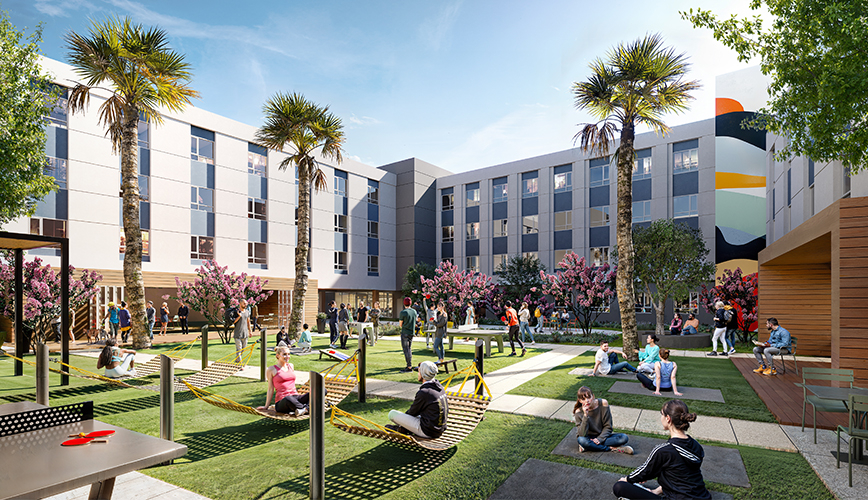
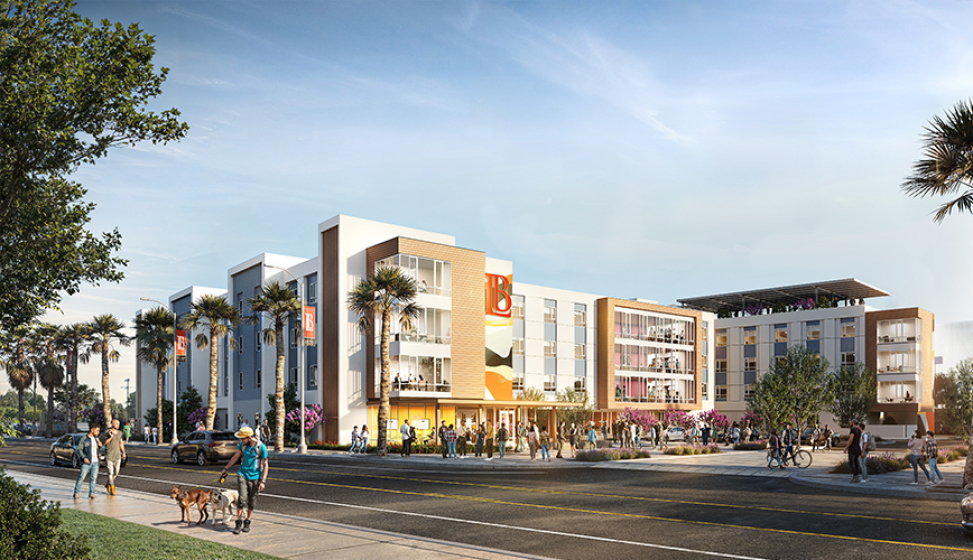
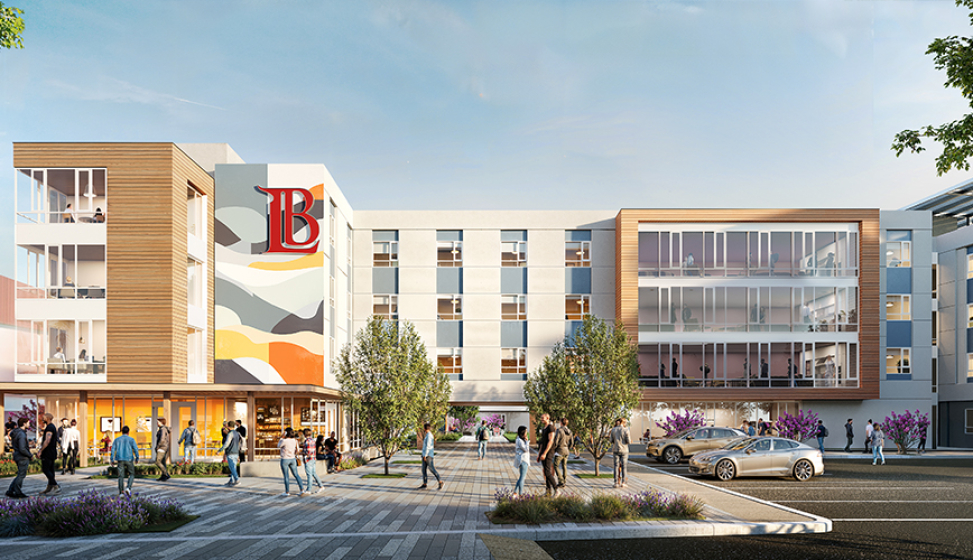
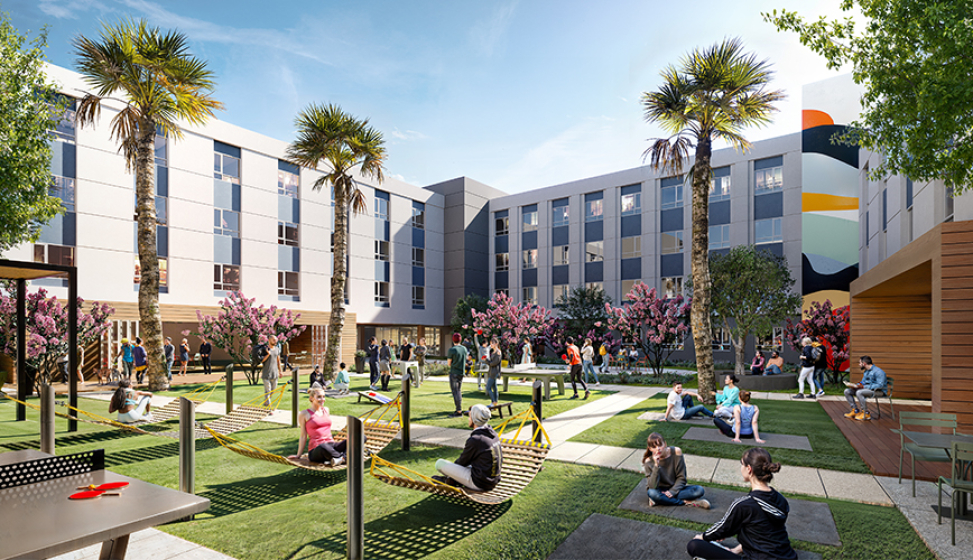
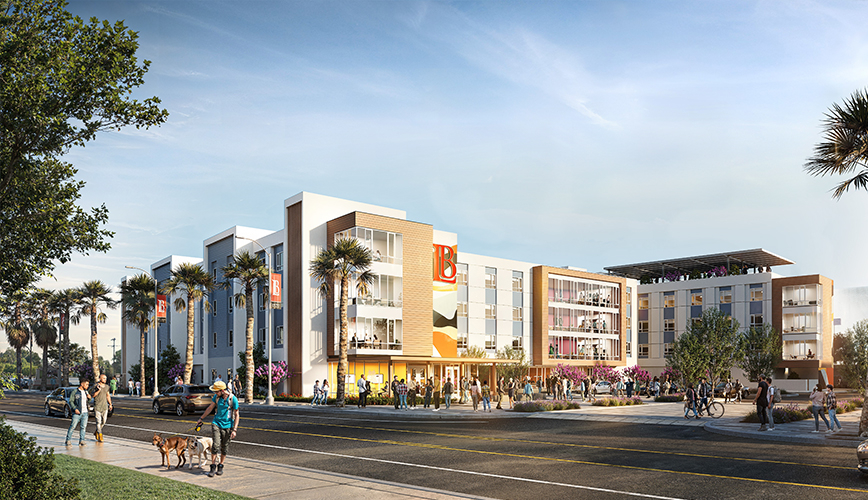
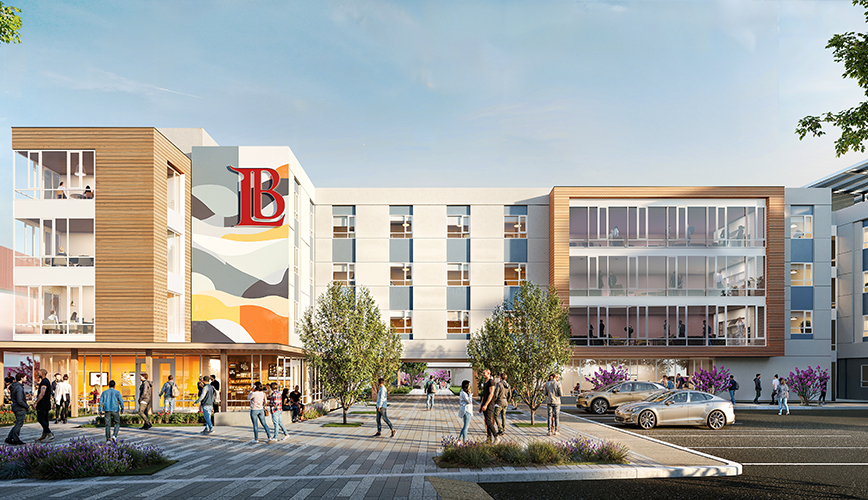
AC Martin’s student housing proposal for Long Beach City College reimagines the residential experience with a strategic, student-centered approach focused on wellness, equity, and long-term value. In partnership with an integrated Design-Build team, the project elevates baseline criteria through a flexible framework of performance-driven enhancements. Highlights include a welcoming campus arrival sequence, an expanded 12,000 SF courtyard, and vibrant ground-floor amenities—such as a grab-and-go market, tech commons, and multipurpose spaces—crafted to foster connection and enrich student life.

The residential program organizes students into 34-person pods, each featuring a shared kitchen, lounge, and gender-inclusive restrooms to promote community, safety, and belonging. A mass timber structural system advances sustainability goals while creating warm, biophilic interiors that reduce stress and enhance well-being. Further improvements include a pet-friendly amenity suite, reimagined social spaces, and infrastructure optimizations that increase bed count and efficiency—all without expanding the building footprint. The outcome is a scalable, future-ready housing environment that reflects a deep understanding of how students live, learn, and thrive.
Awards

Close

County of Los Angeles MLK Youth Center

  • DESCRIPTION
  • PROCESS
  • GALLERY
RELATED PROJECTS
Next Previous
 

County of Los Angeles MLK Youth Center

Los Angeles, CA

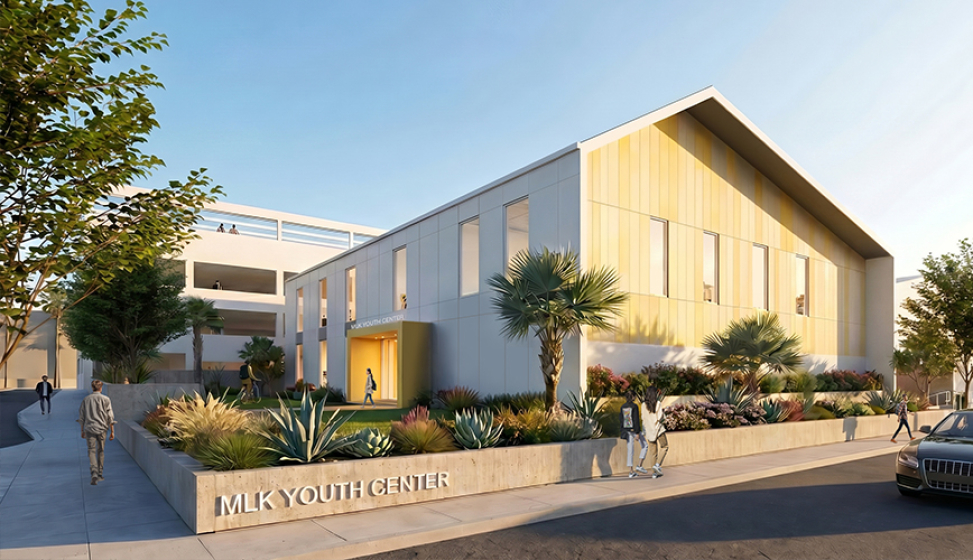
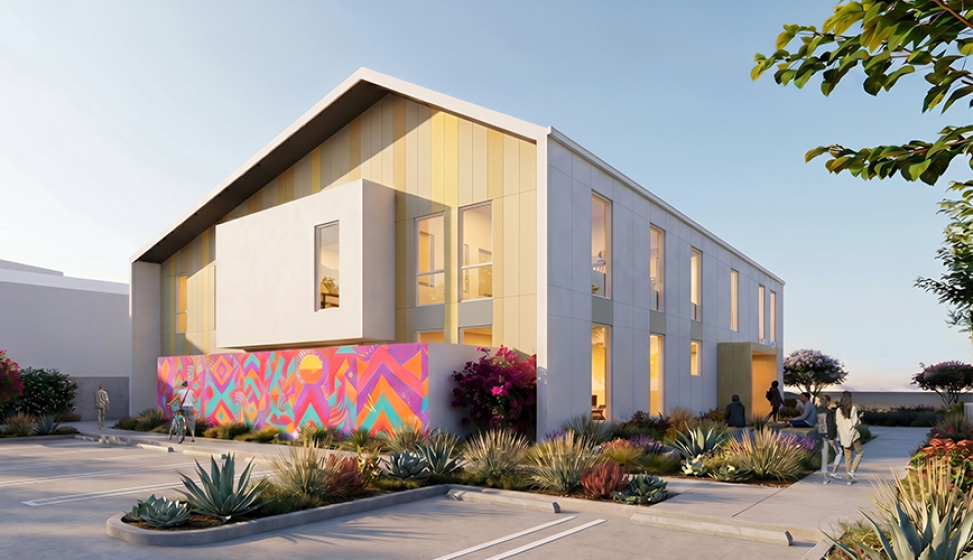
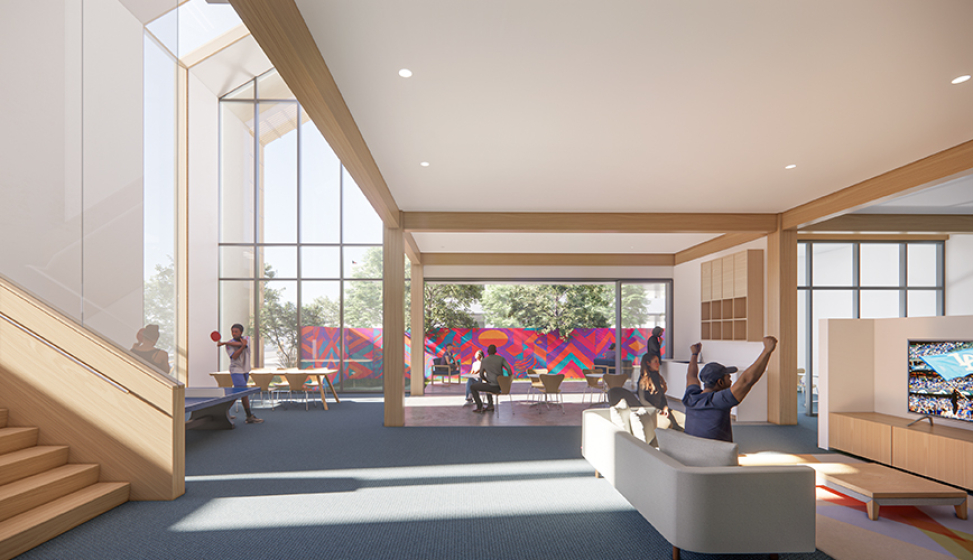
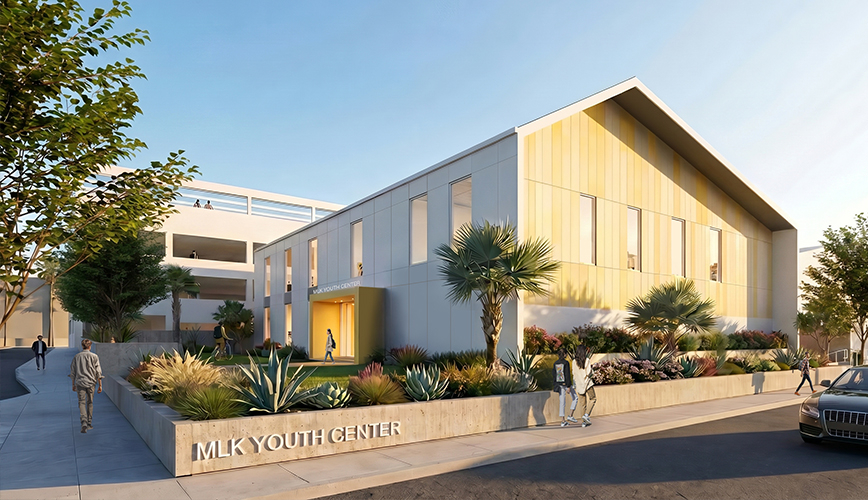
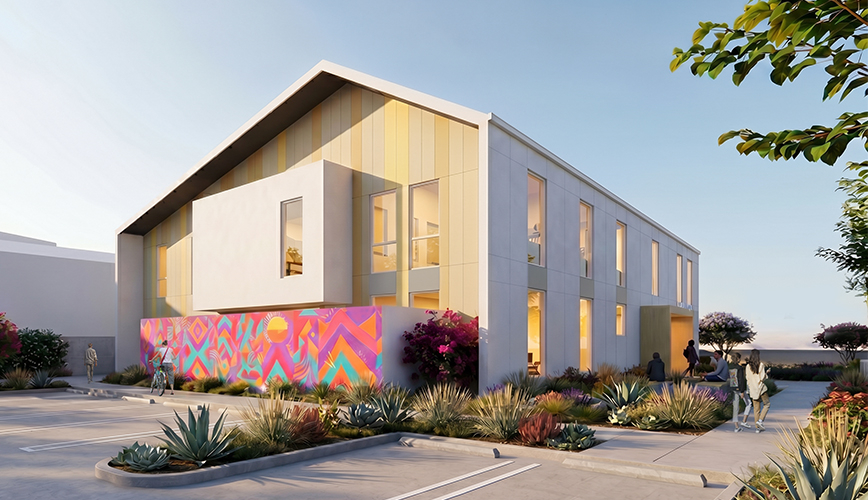
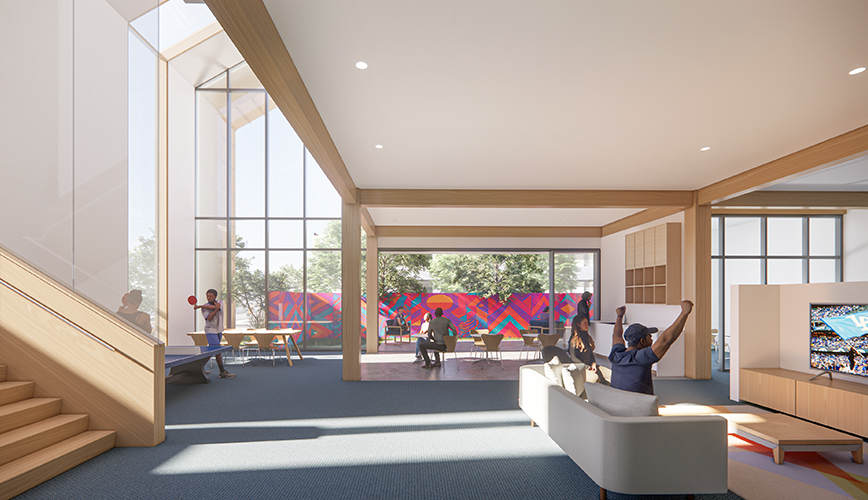
AC Martin designed the 9,000 SF MLK Youth Center as a place of refuge, dignity, and connection for the youth it serves. The Center is a supportive facility intended to provide youth transitioning out of the foster care system with healthcare, counseling, and daily living services in a safe, inclusive environment. Natural light, mass timber, soft materials, and open visibility foster an atmosphere that is not only warm and deeply human, but intentionally non-institutional. The design encourages comfort, trust, and allows a sense of belonging to take shape, whether someone is visiting for the first time or tenth. The architecture of the Center balances openness with protection, creating spaces that feel secure without feeling restrictive.

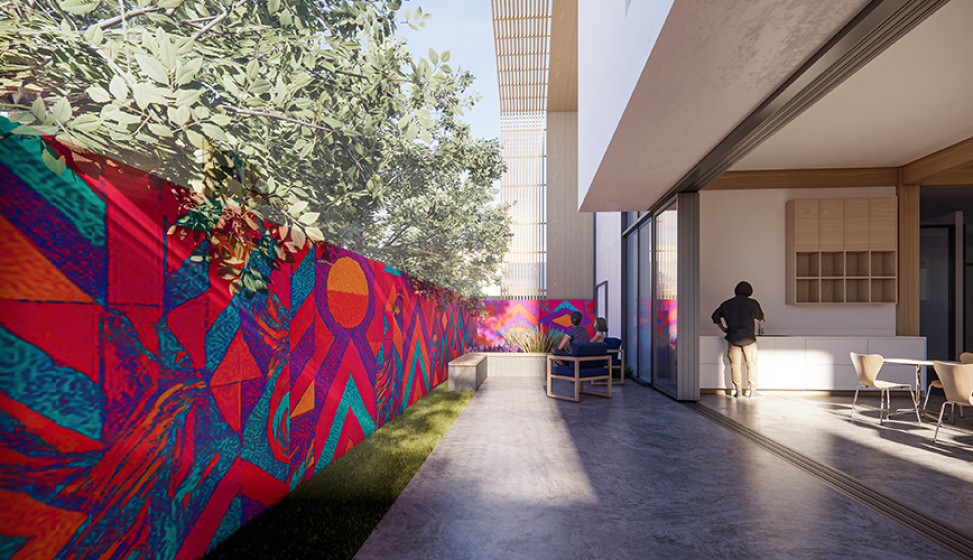
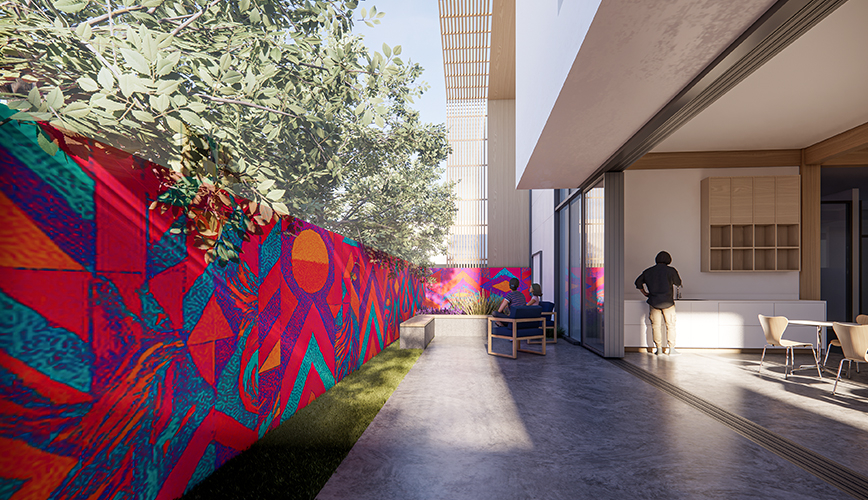
Designed through a trauma-informed lens, the building houses a double-height flex space living room that acts as the building’s heart and features maximal daylighting and a social stair that invites the youth to explore the services provided on the upper floor. The youth have access to lounge areas, a kitchen, a clothing storage area, TV room, laundry area, lockers, and a variety of chat rooms, group rooms, and exam rooms. Staff and visitors have their own zones connected by unobtrusive sightlines through gathering spaces, providing another element of discreet safety. A variety of seating configurations and quiet zones are incorporated to respect differing social and emotional needs. Youth are offered choices: socializing in open communal areas, finding solace in semi-private nooks, or engaging with staff. Every spatial decision reinforces the values of respect, dignity, and healing. A sheltered courtyard and light-filled interiors provide moments of calm, restoration, and connection to the outdoors.

This project serves as a civic space rooted in care and resilience. Its form and materiality establish a strong yet welcoming presence within the neighborhood, reflecting the importance of creating an environment where young people feel seen, respected, and supported. Every aspect of the design—from the form and organization of communal spaces to the integration of daylight and landscape—works to foster a sense of home, autonomy, and healing. The result is a building that not only supports essential services but also offers a lasting sense of stability, hope, and community for the youth it supports.


Awards

Close

Resources Building Renovation

  • DESCRIPTION
  • PROCESS
  • GALLERY
RELATED PROJECTS
Next Previous
 

Resources Building Renovation, California Department of General Services

Sacramento, CA

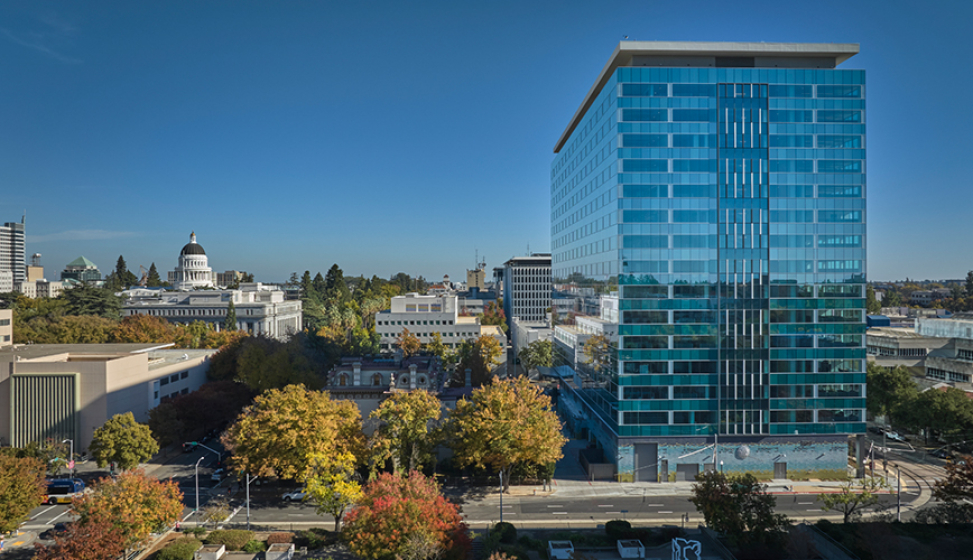
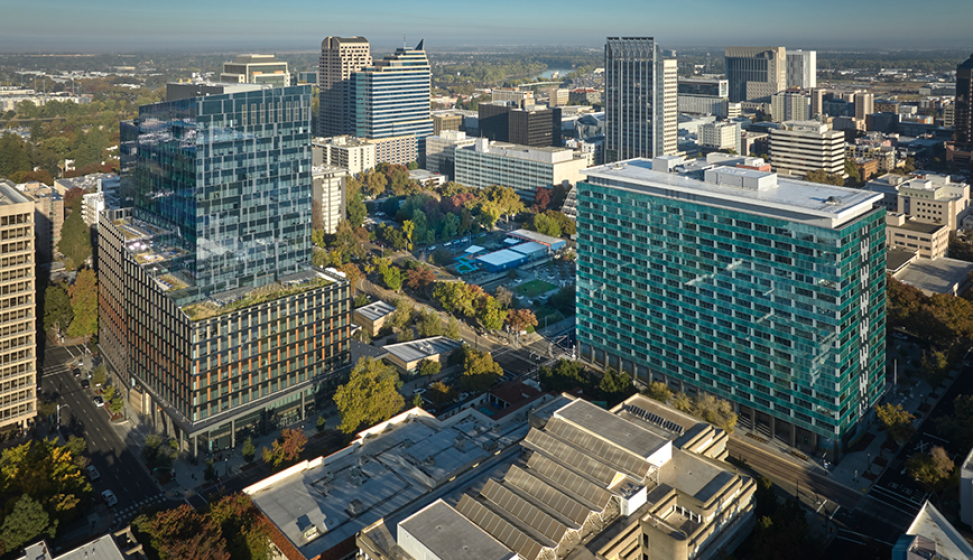
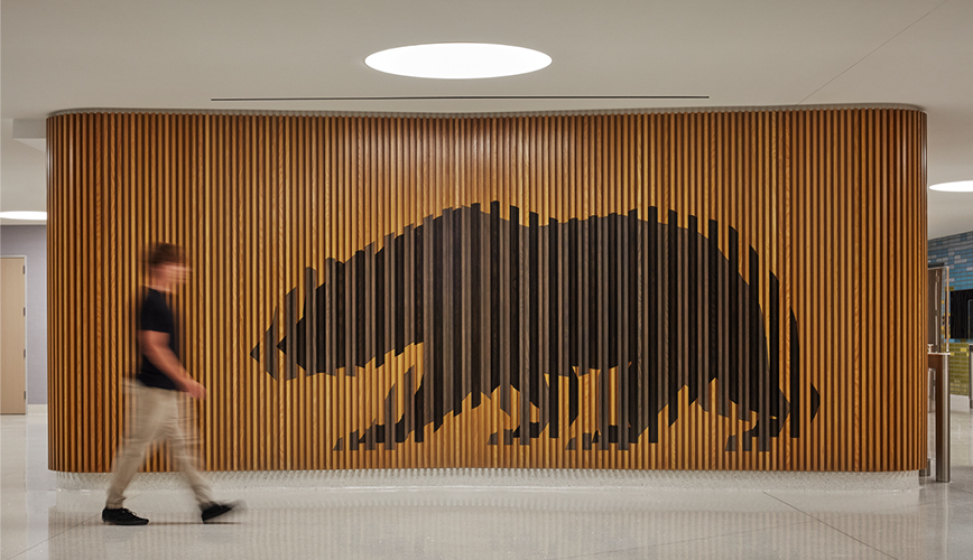
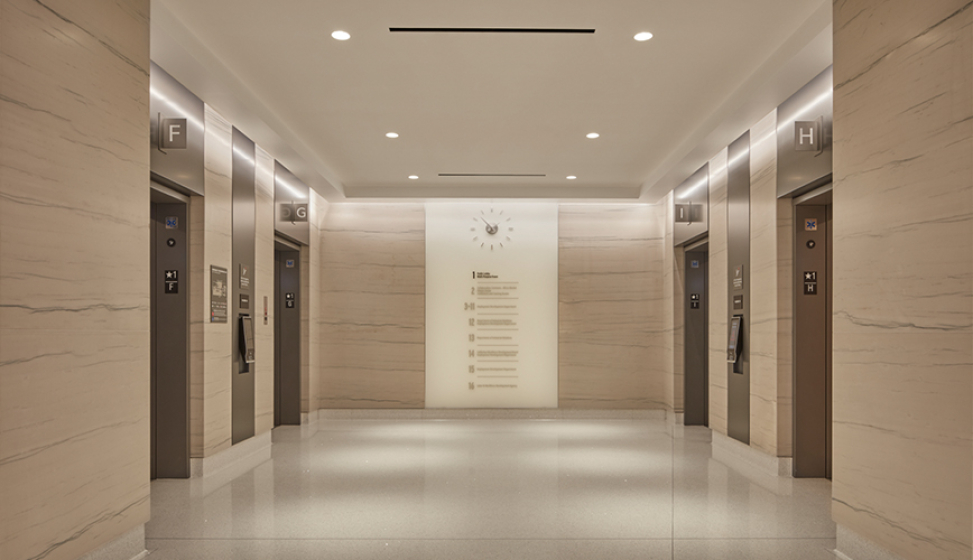
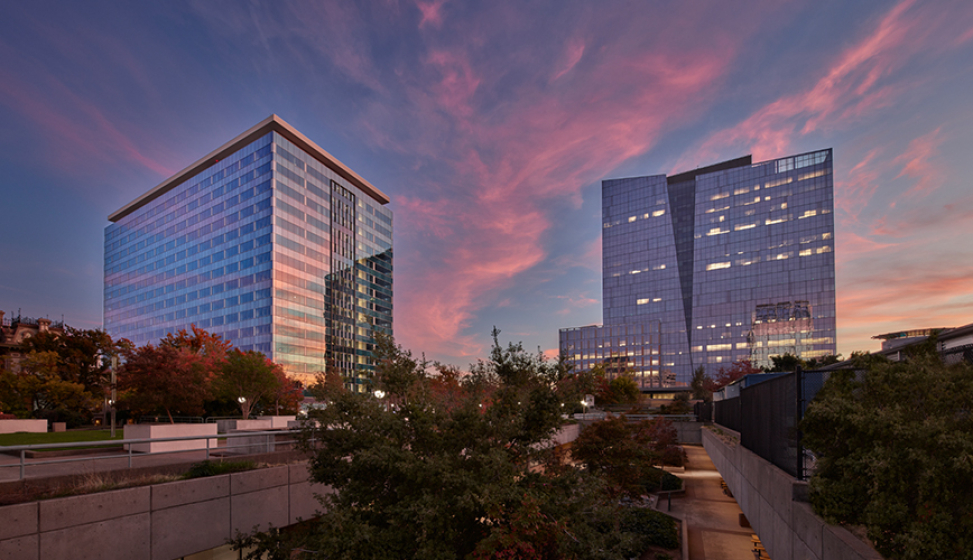
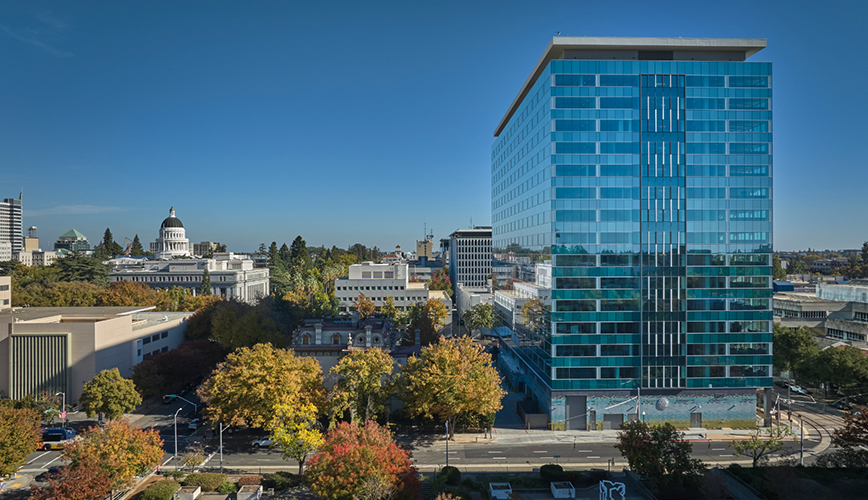
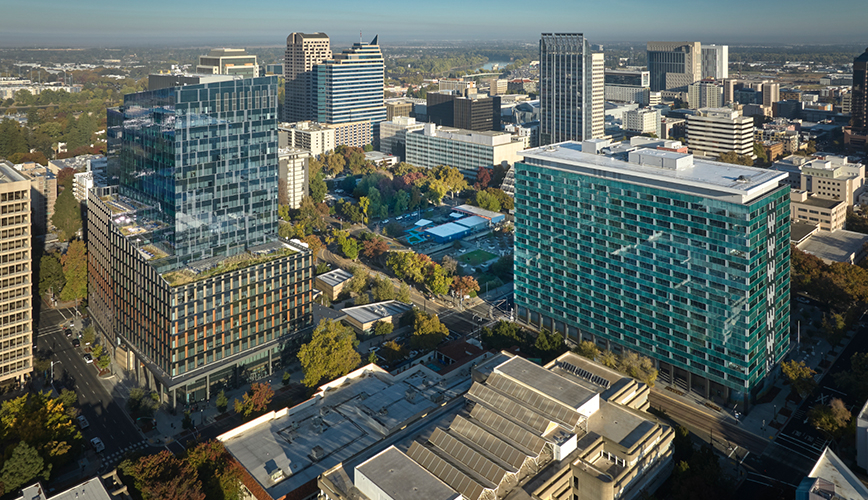
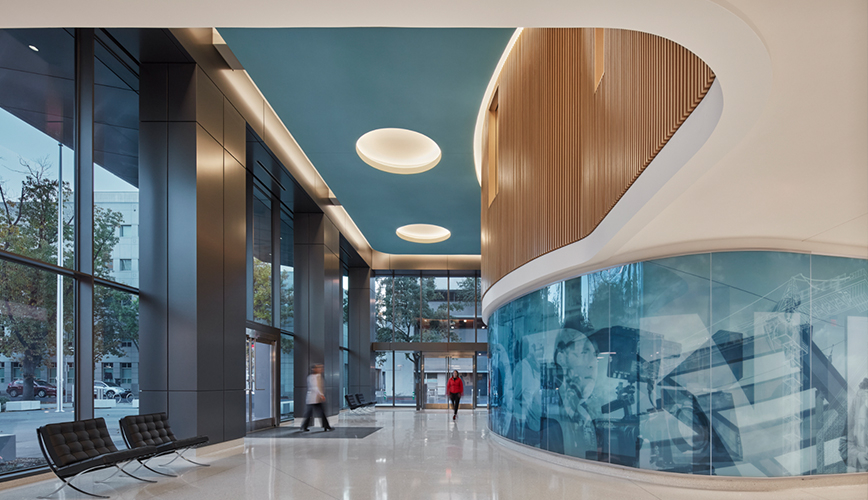
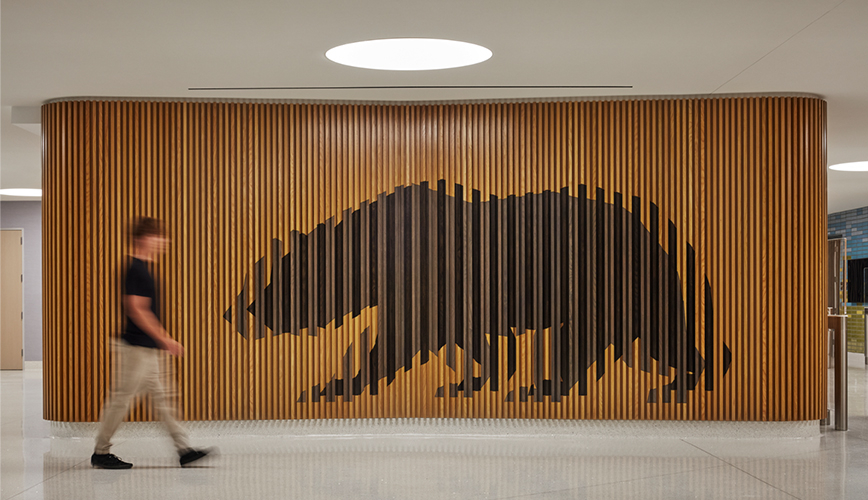
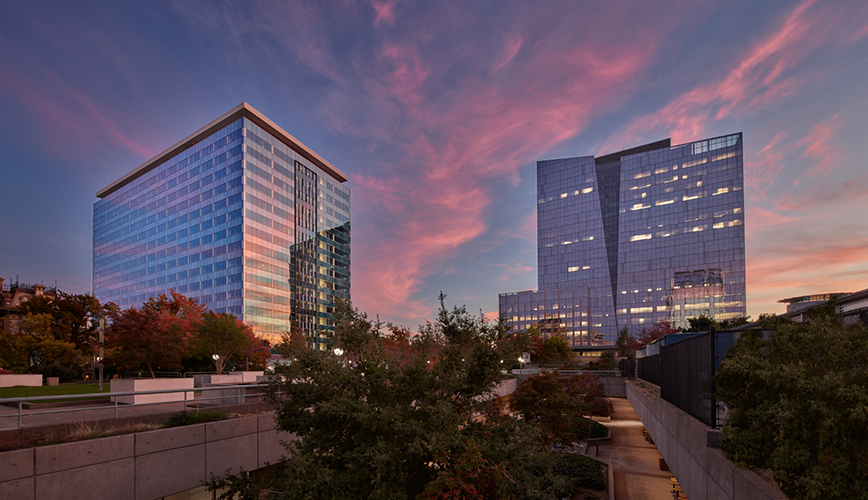
The Resources Building Renovation for the California Department of General Services consists of the comprehensive renovation of the original Resources Building at 1416 9th Street in Sacramento. The existing building is 17 stories and roughly 657,000 GSF. Utilizing a progressive design-build delivery method, the Turner + AC Martin + HGA Team’s approach addressed the State’s Goals and Critical Success Factors as fundamental touch points to ensure a project that brings the highest value and differentiates itself yet honors the significance of the original International Style building.

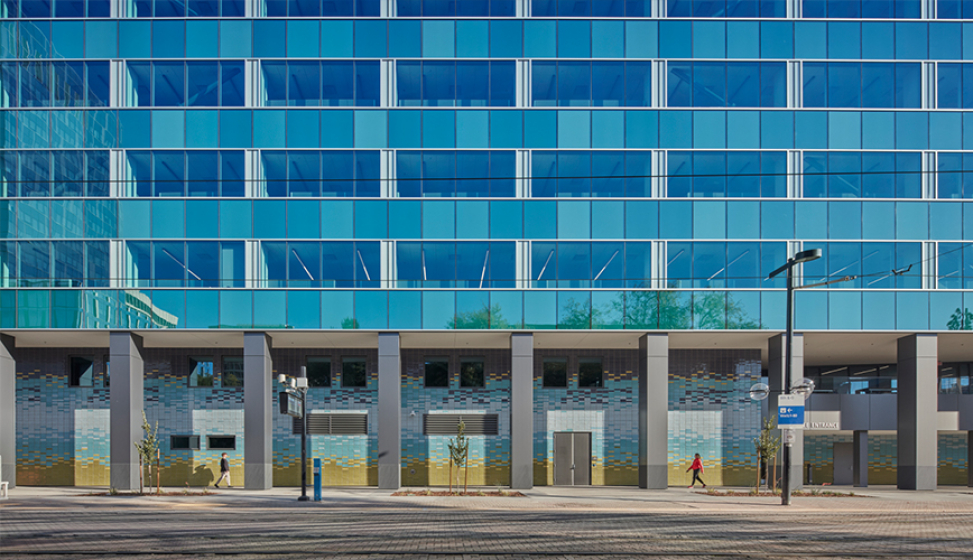
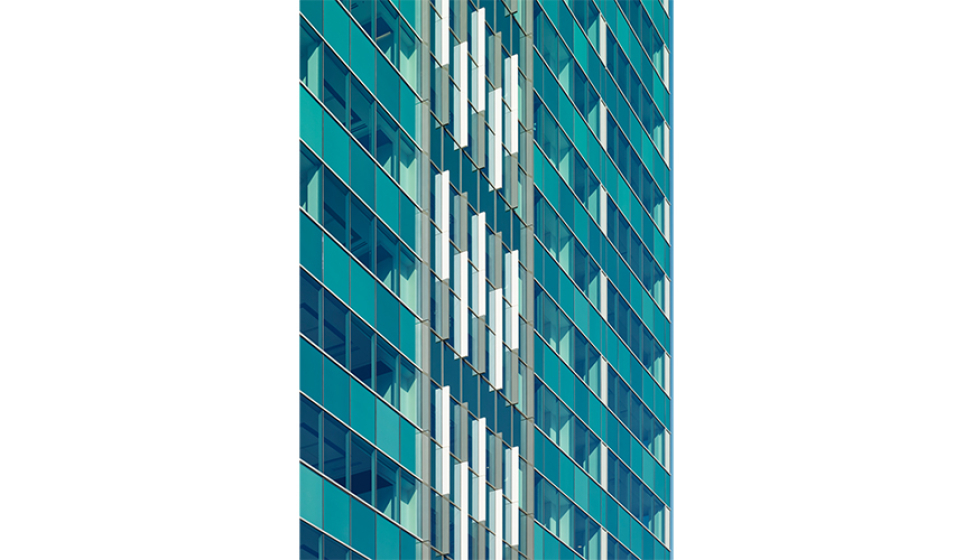
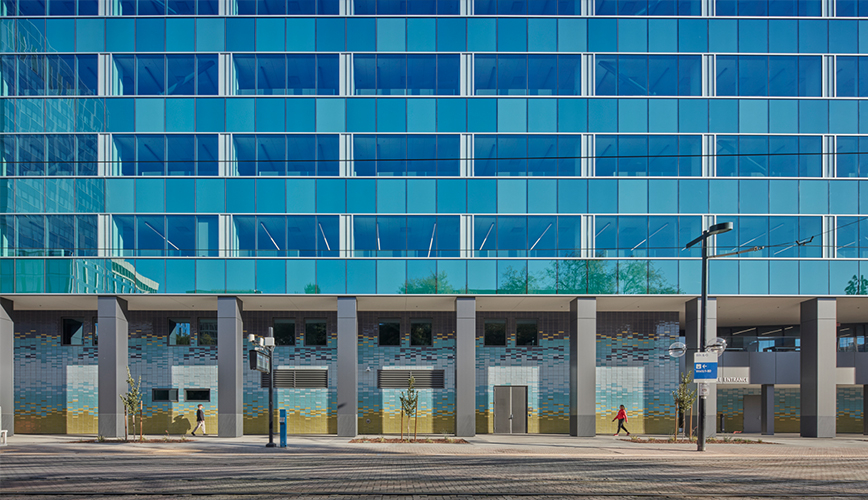
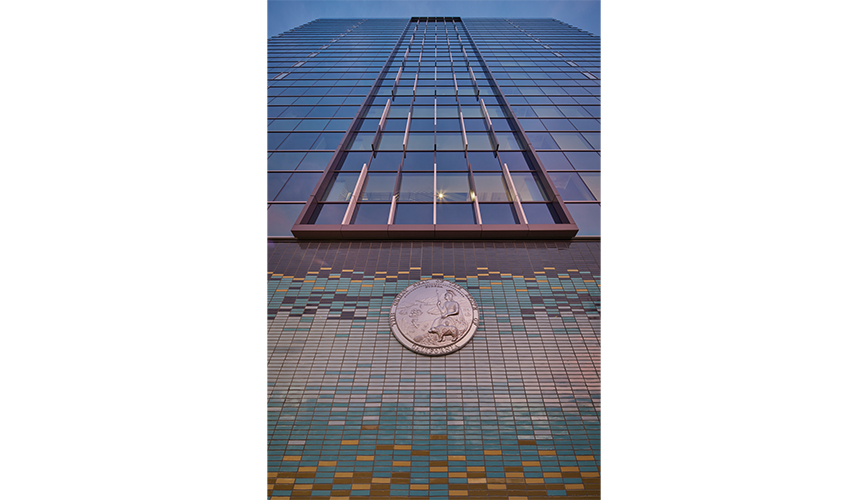
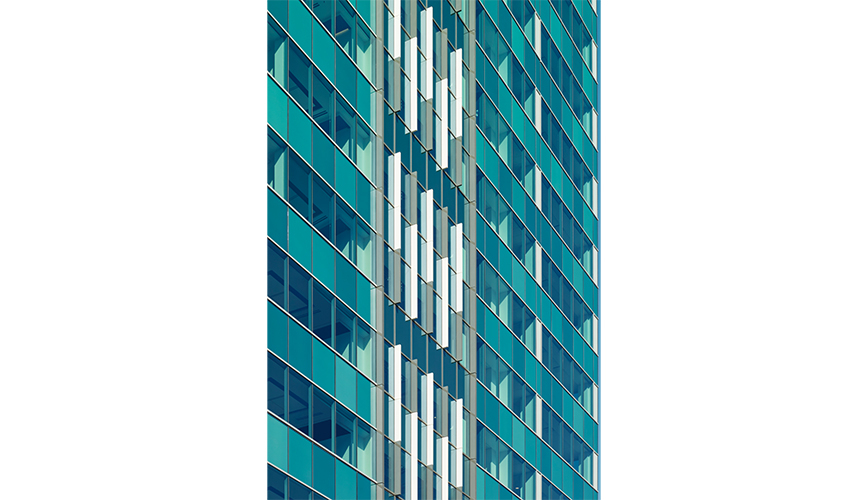
The renovation included the demolition of the existing building’s non-structural elements and a thorough abatement of materials. The fundamental massing of the building remained unchanged. The intervention introduced a new energy-efficient skin, with an orchestrated pattern of glass spandrel panels that recall the metaphor of the original façade.

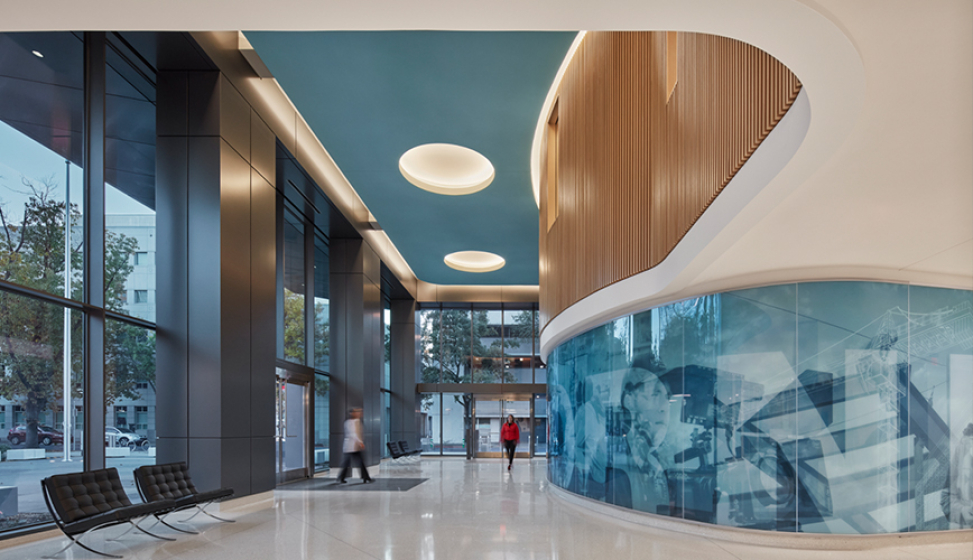
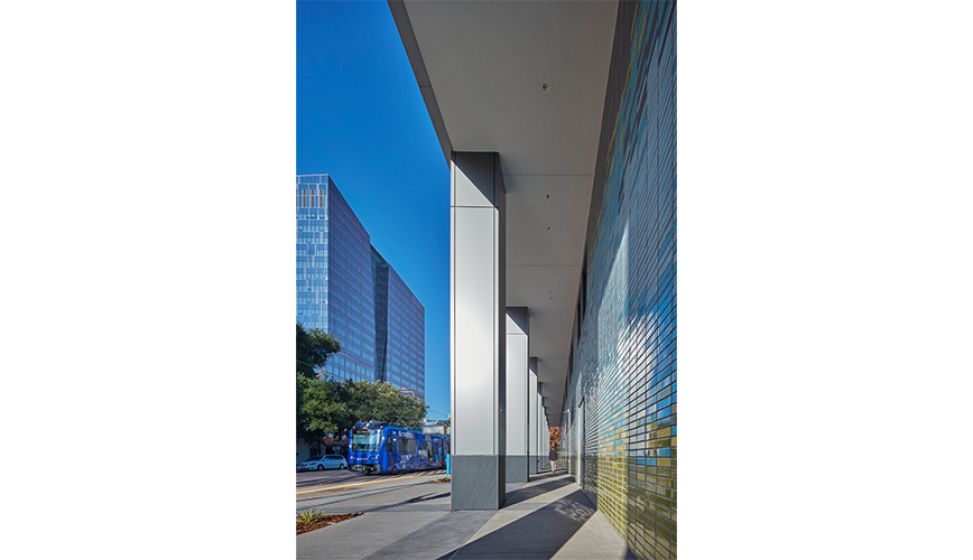
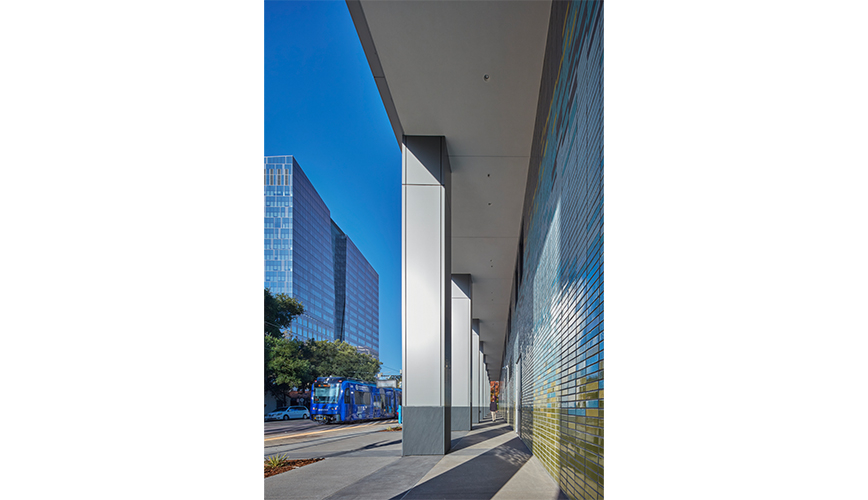
The decorative open graphic on the East and West façade has been reinterpreted with vertical fins in an alternating light and dark pattern. The podium elevations are finished with a gradient pattern of glazed brick to enliven the pedestrian experience and support the City’s initiatives for the O Street corridor. The design of the office workplace is modern and flexible to facilitate collaboration and productivity while adaptable to change in the post-pandemic world. Sustainability was a priority, and the project is LEED Platinum certified and targets Carbon Neutrality and Zero Net Energy.

AC Martin also designed the New Natural Resources Agency Headquarters for the California Department of General Services, located across the street from the Resources Building Renovation.


NEW NATURAL RESOURCES AGENCY HEADQUARTERS

Awards

Close

Pages

Subscribe to RSS - Interiors