Submitted by angela.barker on
February 16, 2026
Building Belonging for Tomorrow: Inclusive Student Housing Trends
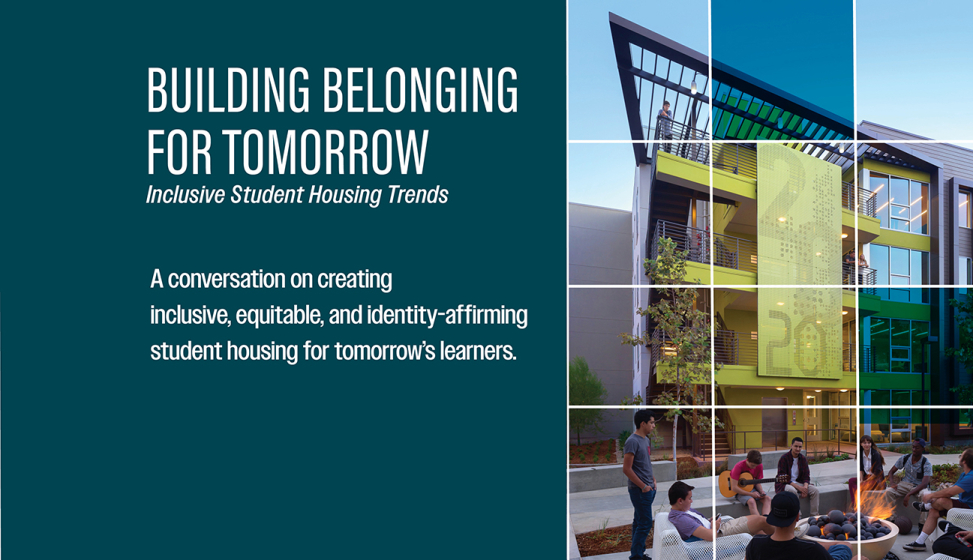
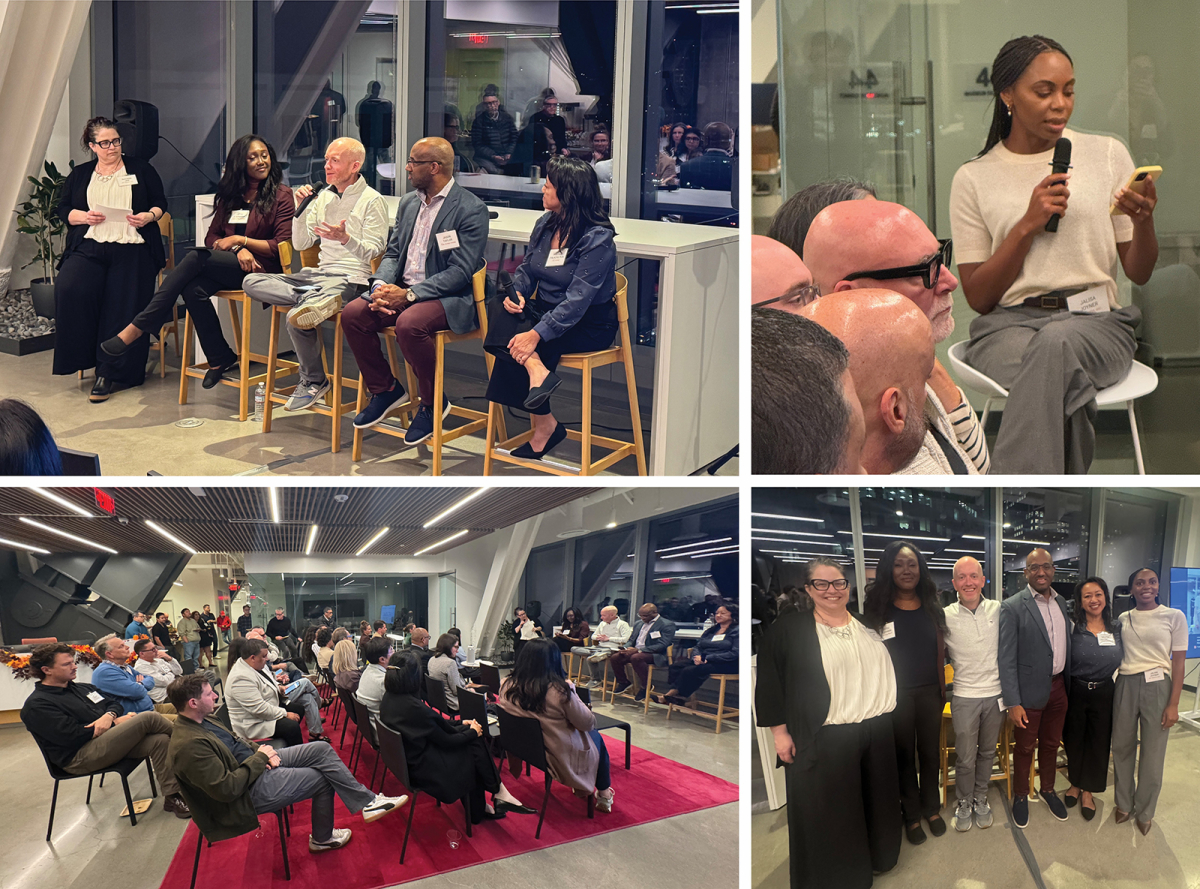
On November 19, 2025, AC Martin’s Inclusive Design Employee Resource Group (ERG) hosted Building Belonging for Tomorrow: Inclusive Student Housing Trends at our Los Angeles office and virtually. The conversation brought together student housing directors, a student housing developer, and design professionals to explore how student housing can better reflect the evolving realities of today’s learners.
Produced by Inclusive Design ERG Co-Chairs Jalisa Joyner and Shawna Upp. The panel featured:
- Dr. Kevin Conn - Executive Director of Student Housing & Residential Life, CSU Northridge
- Melissa Falkenstein - Senior Director, Facilities Operations & Capital Projects, UC Irvine
- Fatou Olshanski - Director of Residential Life, CSU Long Beach
- Jason Taylor - Managing Partner, P3, The Annex Group
The discussion centered on a shared challenge: how to design housing that supports belonging, mental health, identity affirmation, and access — while balancing affordability and operational realities.
REDEFINING INCLUSION
Panelists emphasized that inclusion today extends beyond compliance and traditional universal design. At UC Irvine, the campus’s Comprehensive Wellbeing Initiative, grounded in the Okanagan Charter, integrates wellness, sustainability, the built environment, and DEI as interconnected priorities. Inclusion, the group agreed, must be embedded across systems — not siloed as a standalone initiative. A key theme emerged early: affordability is foundational. As Jason Taylor noted, “You can’t belong in a place you can’t afford to live.” With many campuses reporting significant housing insecurity among students, affordability becomes the front door to access and belonging.
DESIGNING FOR WELL-BEING
From sensory rooms and open-gender housing to family-inclusive playgrounds and ritual cleansing spaces, panelists shared examples of intentionally designed environments that reflect students’ lived experiences. Dr. Conn described how engaging students early in the redesign of a family housing playground shifted ownership and pride — transforming it from “a playground” into their playground. At CSU Long Beach, wellness spaces, material choices, and flexible social environments respond to neurodiversity, emotional support animals, and shifting social patterns. Across campuses, the rise of “third spaces” — informal environments between living and learning — was identified as critical to fostering connection. Even small details, such as accessible power access or reimagined lounge furniture, significantly impact how long and how comfortably students occupy shared space.
LISTENING AS A DESIGN STRATEGY
Perhaps the most consistent takeaway was the importance of listening. From replacing an underutilized maker space with a student-requested podcast studio to implementing equitable housing lotteries instead of first-come-first-served models, the panel underscored that inclusion is an ongoing conversation — not a checklist. Data, post-occupancy evaluations, and direct student engagement are essential tools. As several speakers noted, students must be involved earlier in the design process — not simply invited to react once decisions are final.
LOOKING AHEAD
When asked what shift would most advance inclusion over the next decade, panelists pointed to mindset. Move beyond minimum code requirements. Design for the full spectrum of users. Create spaces that offer something for everyone — much like a well-designed airport. At its core, inclusive student housing is about impact: Did living here positively shape a student’s experience?
Listen to the full discussion in the video below: