
Submitted by angela.barker on
July 07, 2026
Disability Pride Month
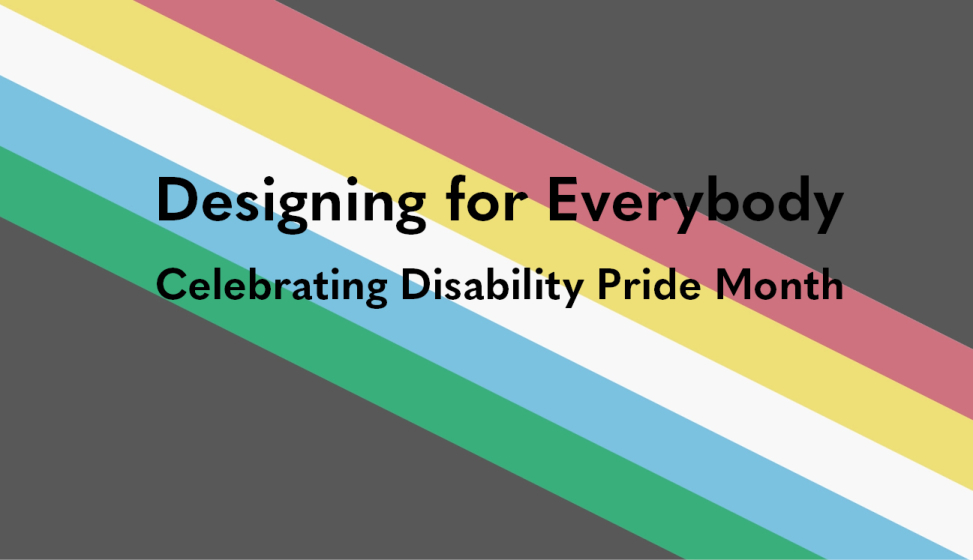
July is Disability Pride month, and we are celebrating disability as a valued part of human diversity. Observed each July in recognition of the anniversary of the Americans with Disabilities Act (ADA), Disability Pride Month celebrates and recognizes disability identity, cultures, community, and ongoing work to make civil rights real in daily life. This year’s theme is “The World Works Better with Us,” a statement about inclusion and reinforcing a basic principle: people with disabilities belong in the decisions that shape school, work, living, and community life.
The Americans with Disabilities Act (ADA), signed into law on July 26, 1990, is a landmark civil rights law that prohibits discrimination and ensures equal access to employment, public services, and everyday life for people with disabilities. Disability Pride began with the first Disability Pride Day in Boston in 1990, followed by the first parade in Chicago in 2004. Disability Pride Month has been officially recognized since 2015.
For those of us in architecture and design, that message is especially meaningful as the spaces we create influence how people move, connect, work, learn, and experience their communities. Good design isn't simply about checking boxes or meeting minimum requirements, it's about understanding that every person deserves to navigate the built environment with dignity, independence, and a sense of belonging. This month we’ll be exploring how disability intersects with design, architecture, and the built environment, exploring beyond compliance and considering how design can foster equity, inclusion, and opportunity.
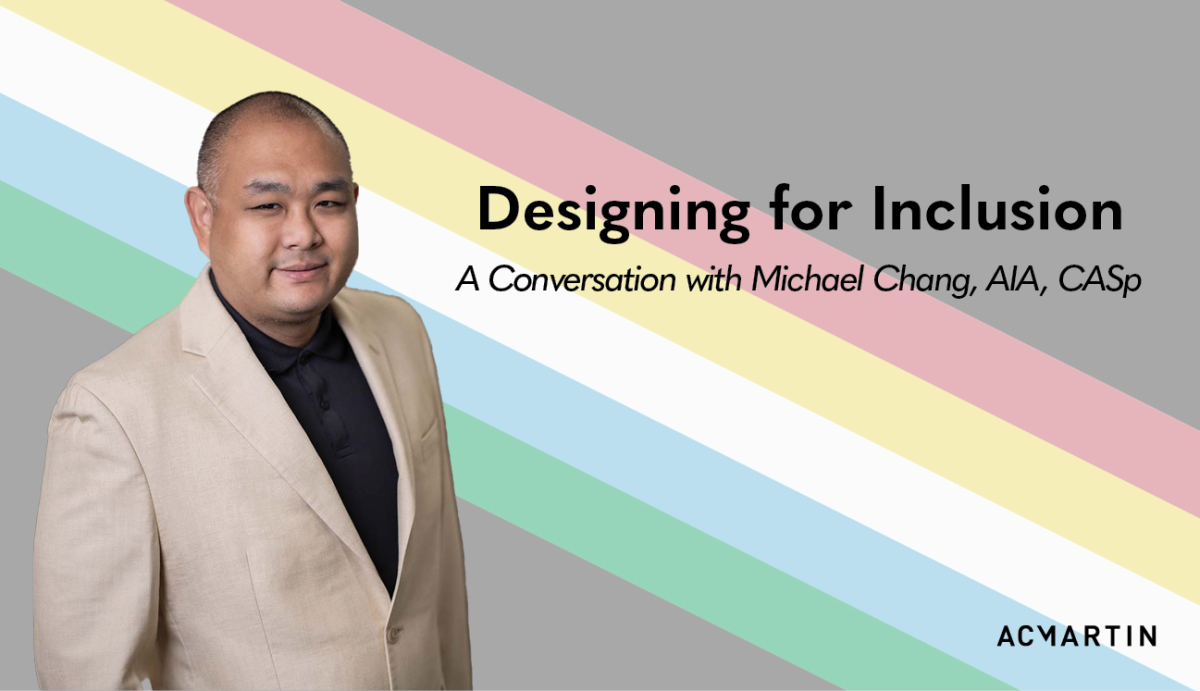
Inclusive design is essential to creating spaces that welcome and support everyone. In recognition of Disability Pride Month, we spoke with Michael Chang, AC Martin Managing Principal and Certified Access Specialist (CASp), about what inspired him to pursue certification, how it shapes his approach to design, and the importance of understanding both the requirements and intent behind accessibility standards.
INTERVIEW WITH MANAGING PRINCIPAL, mICHAEL CHANG
ACM: What inspired you to pursue your CASp certification, and how has it changed the way you approach design?
MC: I pursued CASp certification to deepen my understanding of accessibility codes and regulations so I could better serve our clients and contribute more effectively to conversations with CASp inspectors, DSA officials, and project teams. The process strengthened my ability to consider both the technical requirements and the intent behind them, helping me approach accessibility as an integral part of thoughtful, inclusive design.
ACM: What is one common misconception people have about accessibility or ADA compliance?
MC: The codes are minimum and that it is reactionary to litigation. We should all strive for more inclusionary design. Whether you are disabled or not, the goal is to make sure a visitor to a site has the same interactions and experiences where possible.
ACM: How can thoughtful, accessible design improve the experience for everyone—not just people with disabilities?
MC: The Centers for Disease Control (CDC) reports that about a quarter of the adult population lives with some sort of disability with approximately 10% having mobility difficulties. Accessible design ensures that your family unit, especially elderly parents / relatives, can enjoy the same facilities as you when you are out. It makes sure that your experience, if in a caretaker role, is also not diminished.
ACM: As an architect, what are some of the most important accessibility considerations you think should be integrated from the very beginning of a project?
MC: Site access is always number one. If someone cannot get to the site, how are they able to enjoy the built elements? CCDA does a good job in defining top recurring accessibility issues. Those are good places to start to figure out the hot compliance concerns.
ACM: During Disability Pride Month, what message would you like clients, designers, and our industry to take away about creating more inclusive spaces?
MC: We must continue creating inclusive environments that recognize and support the dignity, independence, and worth of every person—regardless of ability. Accessibility should be a fundamental part of thoughtful design, not an afterthought.
The meaning behind the Disability Pride Month Flag
The diagonal band of six color stripes cut across the barriers separating the disabled from society, representing light and creativity cutting through darkness. Each of the six color stripes represent the following:
- RED - physical disabilities
- GOLD - neurodiversity
- WHITE - invisible disabilities and undiagnosed conditions
- BLUE - emotional and psychiatric disabilities
- GREEN - sensory disabilities, including deafness, blindness, and other sensory disabilities
- FADED BLACK BACKGROUND - mourning and rage for victims of ableist violence and abuse