Submitted by angela.barker on
March 31, 2026
Women's History Month
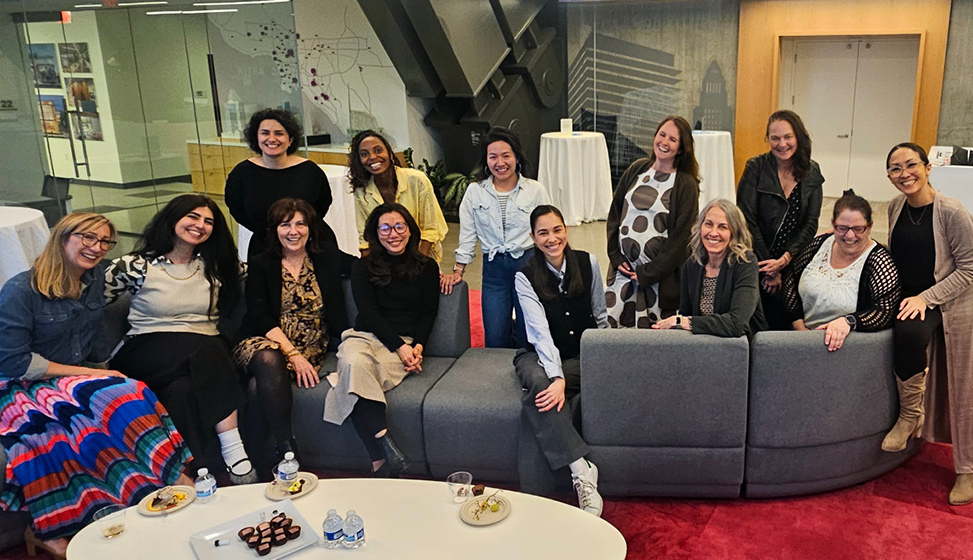
Each March, Women’s History Month invites us to recognize the impact of women who have shaped our communities, professions, and built environment. At AC Martin, we celebrate the designers, leaders, and innovators within our firm whose perspectives and contributions continue to influence the future of architecture.
Here, we highlight a few of the voices and experiences of the women of AC Martin—sharing their insights, career journeys, and the lessons that have shaped their work.
Through these conversations, we honor not only the achievements of women in our practice, but also the ongoing work to create a more inclusive, equitable, and inspiring industry for the next generation.
What advice would you give to young women considering architecture?
First and foremost, stay true to yourself and never be afraid to speak up. Next, I’d say to gather as many skills as you can along the way. Architecture touches so many disciplines and being open to learning different facets of the profession builds a strong, adaptable toolkit. That breadth of experience gives you so much more confidence, especially when unexpected challenges arise, whether that’s economic uncertainty, industry shifts, or global events like a pandemic. The more you know, the more resilient and empowered you’ll feel in shaping your own career.
What do you wish you knew when you started your career?
I wish I knew that confidence doesn’t necessarily come from having all of the answers, but it comes from learning how to navigate uncertainty.
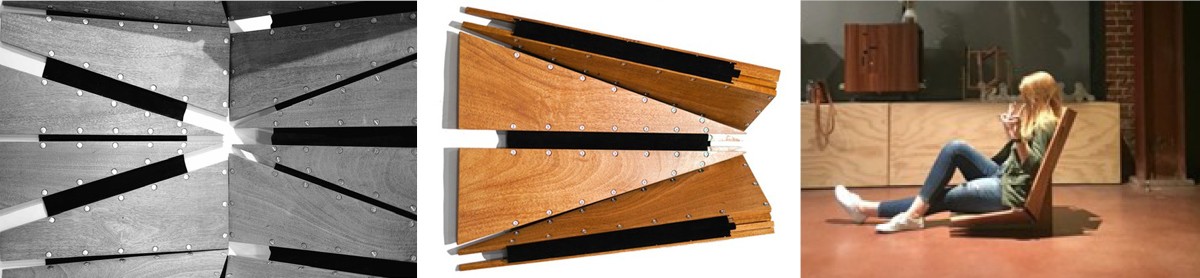 Origami folding chair concept design from 2017. Wood with leather joints riveted in place.
The industry has made meaningful progress in supporting women, but there is still significant work to be done. When I first started working in architecture, I felt a stronger sense of representation among my peers. However, as I’ve progressed in my career, I’ve noticed fewer women advancing into leadership roles.
Elizabeth Diller is one of the architects that stands out to me the most. I’ve always admired her approach to design and the way she treats architecture as a convergence of multiple disciplines, including art, performance, urban design, psychology, and social critique. As a co-founder of Diller Scofidio and Rnefro, her work applies a human scale approach to large dynamic projects like the High Line and The Shed. I appreciate that their work not only focuses on building design but shapes how people interact with their space.
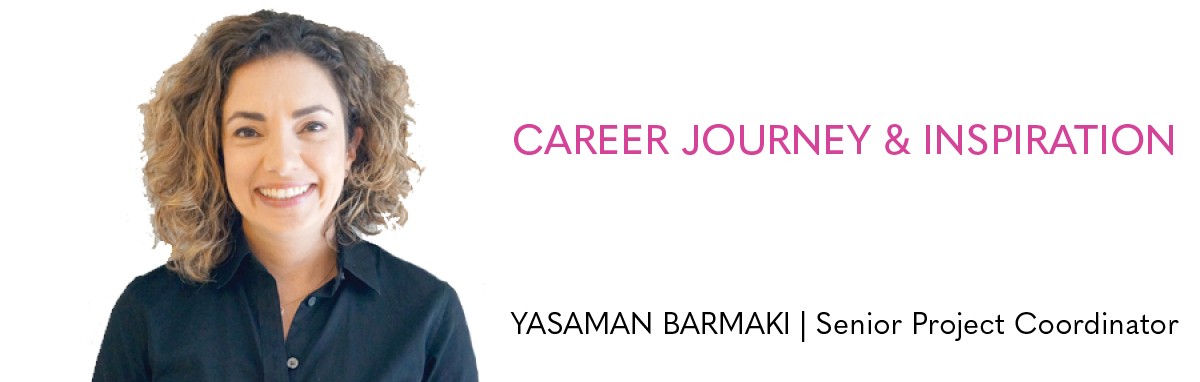
My senior year of undergrad, I studied aboard in Bordeaux. The architecture there is stunning, with cobblestone streets and 18th century buildings. I lived in a building with a courtyard, and every morning on my way down the stairs my heart felt happy. At some point, I realized I wanted to create spaces that make people feel happy.
It started at SCI-Arc where I met friends I really connected with, feeling like I found my people, along with a path that brought together my interests in art, drawing, history, math, and more.
AC Martin had always on my list of dream firms. I had a few friends who worked here, and they spoke highly of the culture and the work-life balance.
My skill set has naturally led me into more of a management focused role. I excel at team communication and bringing different disciplines together to move projects towards fruition.
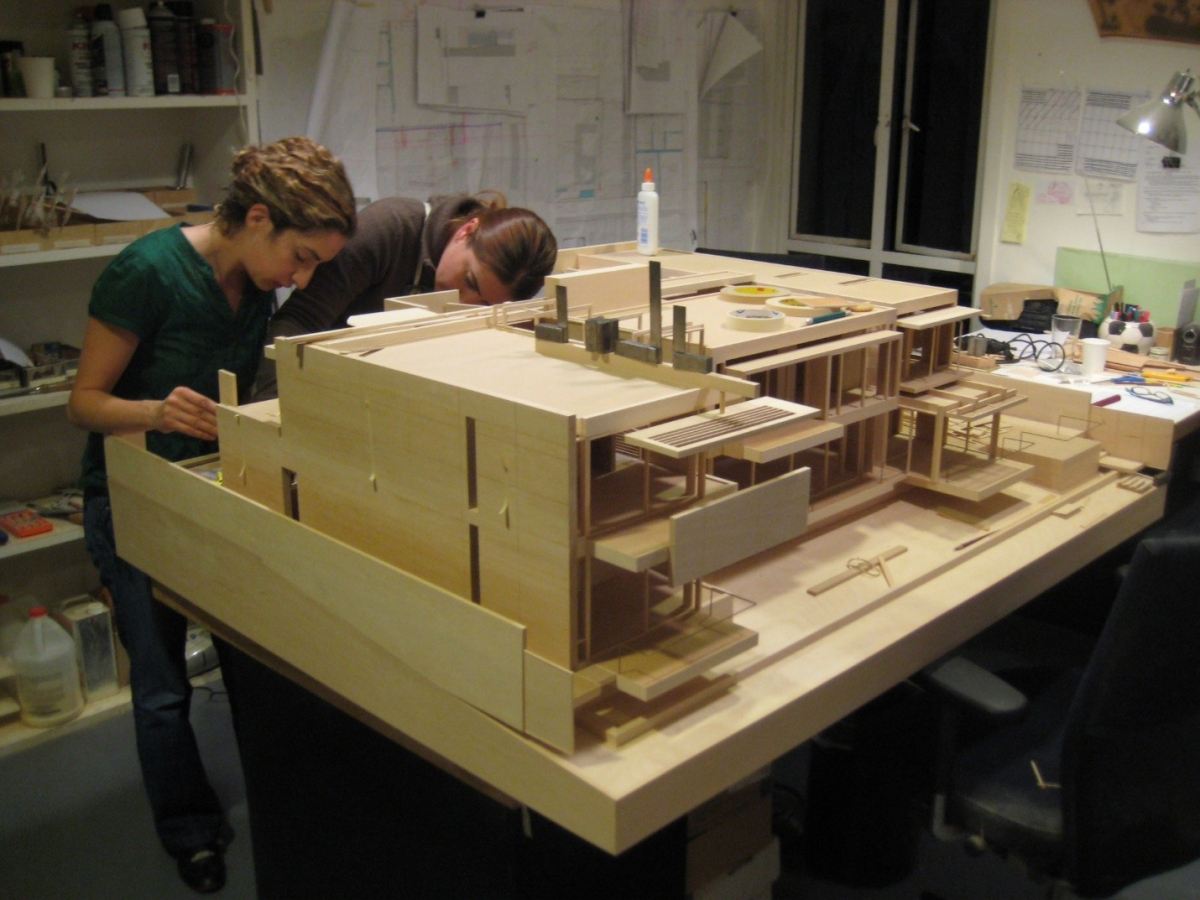 This photo is from April 2009, RMPLA model shop, we were building a ½” scaled model of a house in Malibu. The model is made of basswood and at one point we had to cut the model in half to ship to Paris because the interior designer refused to fly to California. My dear friend, Vanessa Hardy, ran the model shop at RMP which was a big deal at the time for a woman to run the shop.
Zaha Hadid is my favorite woman architect, I love that she started her projects with paintings to inspire her work. "While the majority of Hadid’s early paintings remained in theoretical realms, she also utilized these techniques to develop real-world architectural proposals, many of which were built."
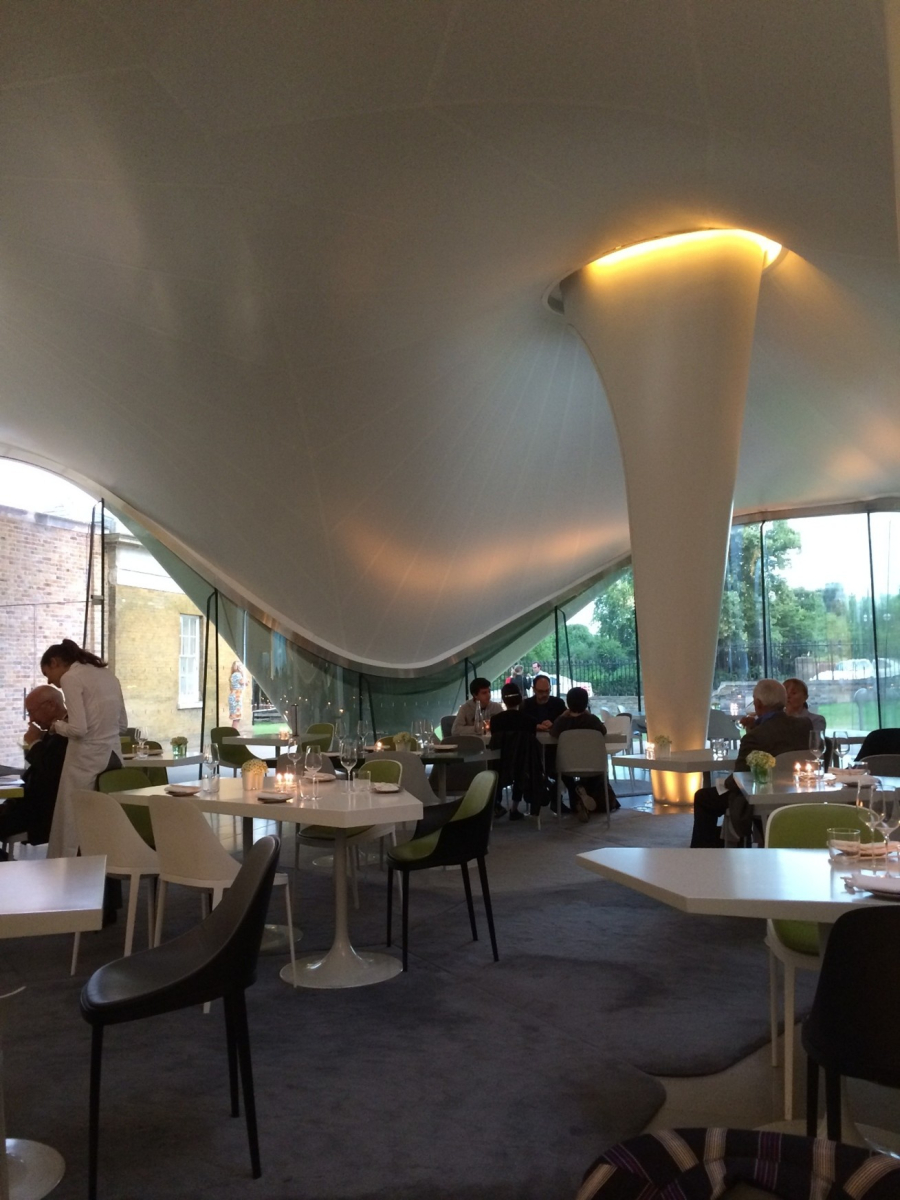 This photo is from 2014 when I got to see Zaha Hadid’s Serpentine Pavilion in London.

What’s something people might not know about your role?
A lot of talking! Most people think architects spend their days sketching dramatic buildings or wandering around with a tape measure. However, a lot of the job is actually… talking. You spend hours negotiating with clients, engineers, contractors, planners, and even neighbors. What is built in the end is rarely a pure vision from start to finish; it's a negotiated artifact.
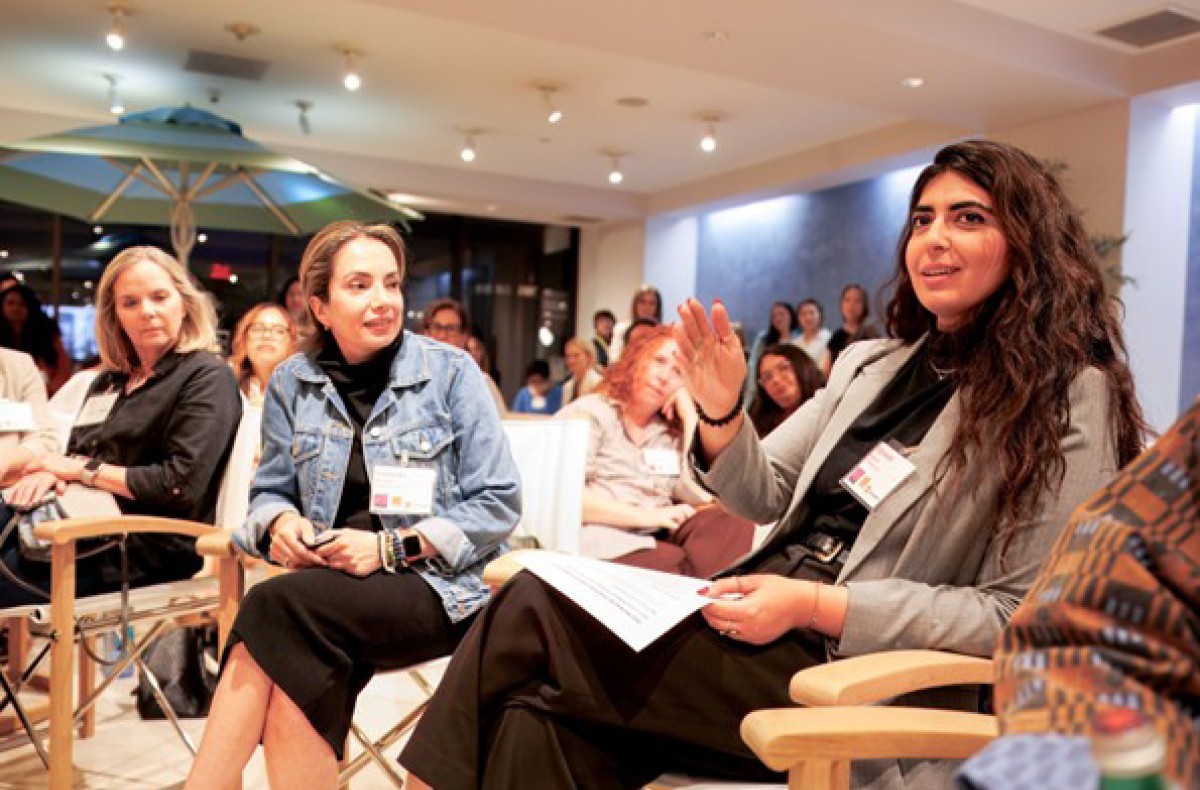 Me speaking on a panel with Yasaman Barmaki at AIA Powerful 2025
What truly inspires me are conversations with people from all walks of life. Working primarily in the housing sector, I believe it is crucial to stay in tune with what people need and what actually works in the spaces they inhabit every day. I’ve also been learning the guitar, which has been a great way to shift my brain to a different wavelength.
I know this is going to be shocking but honestly, lots of water. Deadline days are already stimulating enough so I don't need any more stimulants. Stay hydrated!
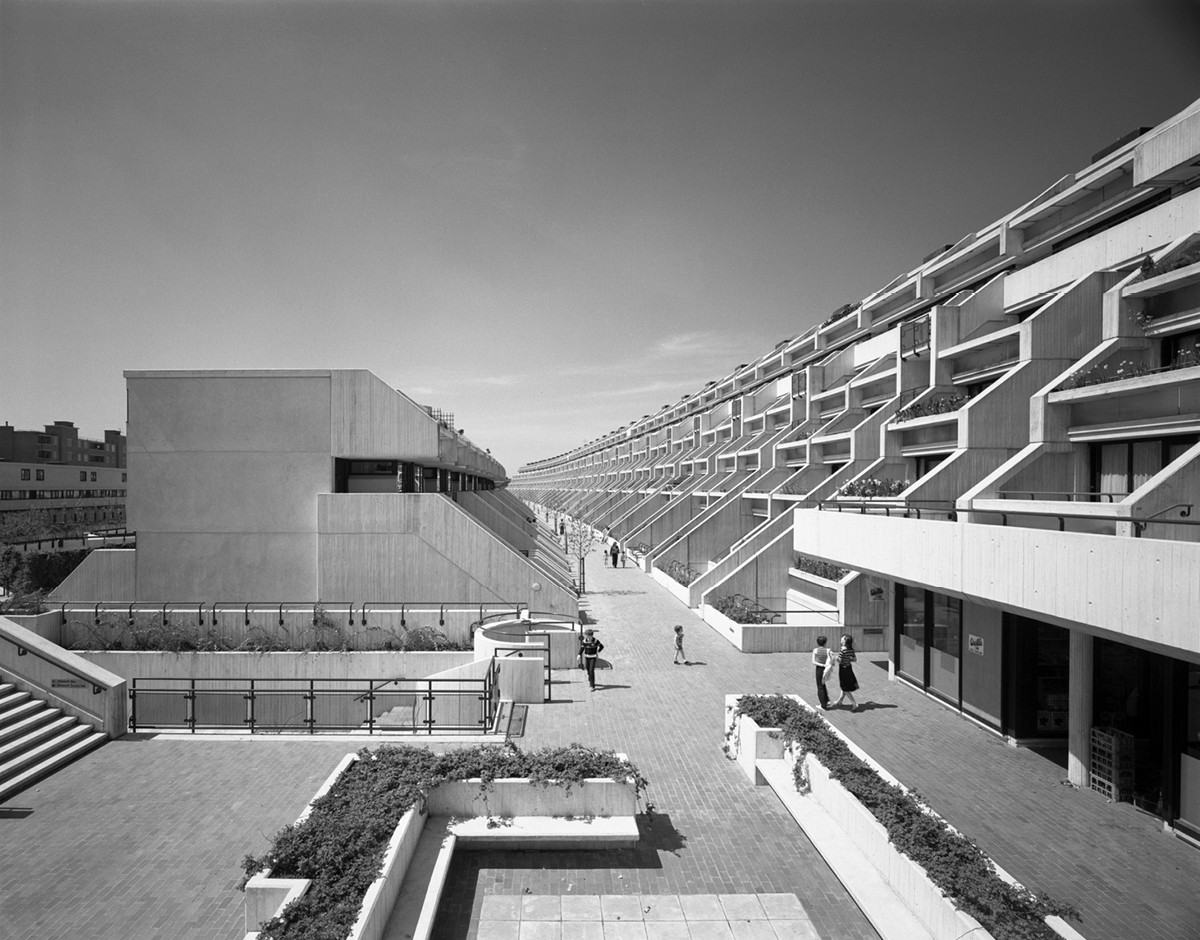 Copyright: Martin Charles / RIBA Collections